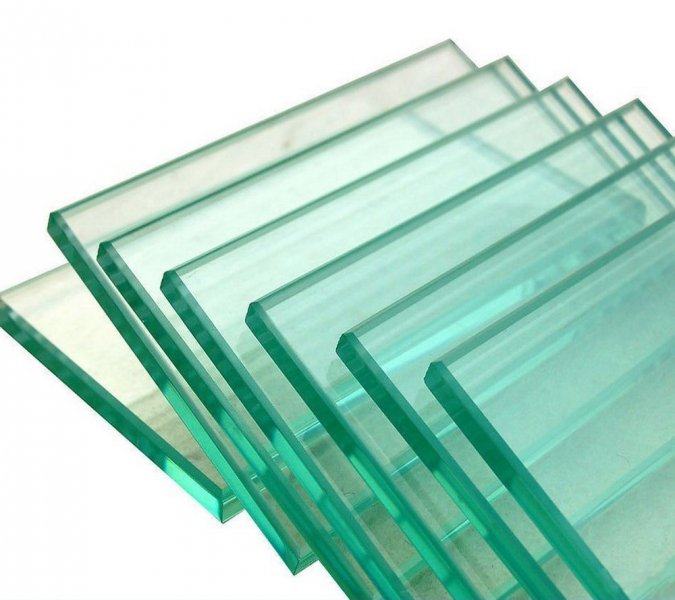
Making glass starts with melting sand (or recycled broken glass called ‘cullets’) and letting the transparent liquid float on a flat surface to slowly solidify into glass. Even if one tiny air bubble creeps in, the entire sheet has to be thrown back into the furnace. Melting it again means furnaces that guzzle a lot of energy to generate the required 1,600oC degrees of heat.
Wollastonite is a compound of calcium, silicon and oxygen — no carbon. It has a lower percent carbon footprint compared with calcium carbonate, and consumes less energy to melt it compared to calcium carbonate.
Wollastonite is used as an alternative to limestone because, on the decomposition. of limestone, CO2 is emitted, which can be prevented by using wollastonite and we can save our nature and it support on UNO’s mission towards reducing carbon emission.